Skip to content

IGCC plant, integrated gasification combined cycle

A 532 MW power station inside the perimeter of the ISAB refinery in Sicily, fuelled by heavy refining residues.
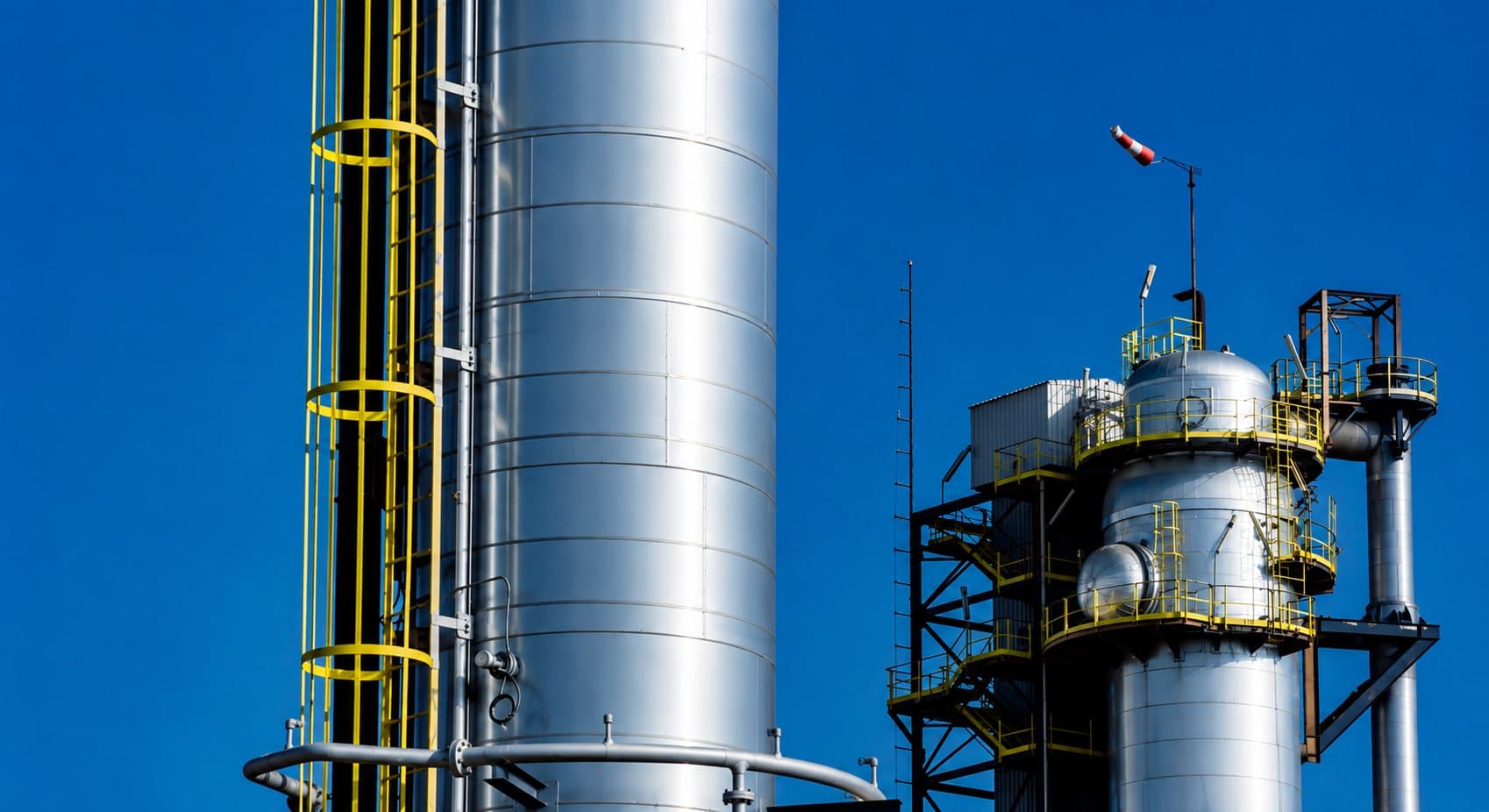
The columns of the IGCC plant against the sky, with yellow walkways and a windsock.
Technology

A refinery and a power station in one process

An integrated gasification combined cycle plant (IGCC in the international acronym) is the technology with which the refinery closes its own energy cycle, turning the heaviest fraction of the barrel into electricity and hydrogen. Few exist in the world: an IGCC makes a refinery and a power station coexist within a single process configuration. The integration works both ways. The refinery supplies the feed, and the plant returns the hydrogen that strips sulphur from the fuels.

532 MW
Installed electrical capacity
Two parallel modules
Syngas, natural gas or gas oil
Since 2000
Running at Priolo Gargallo
Process

What happens inside

Asphalt or heavy refinery residue in. Electricity, hydrogen, sulphur and metals out.

01

Heavy residues

The asphalt produced from the heavy residues of refining is the IGCC feed: up to one million tonnes a year reach the gasifiers.
02

Gasification

At high temperature and with a deficiency of oxygen, the asphalt turns to gas and becomes synthesis gas (syngas). Metal cake settles at the bottom of the gasifiers, a concentrate of metals sent for industrial recovery.
03

Clean-up

Leaving the gasifiers, the syngas still carries sulphur and impurities. Washing cleans it and recovers liquid sulphur, a raw material for the chemical industry. Once part of the hydrogen it carries has been recovered, the syngas goes to the gas turbines to generate electricity.
04

Combined cycle

The syngas feeds the two gas turbines; heat recovered from the exhaust raises steam, which drives two steam turbines for a further share of generation. Total installed capacity is 532 MW. Over the years the flexibility of the gas turbines has grown to the point of allowing them to run on natural gas or gas oil as well.
05

Separation unit

Up to 20,000 normal cubic metres an hour of high-purity hydrogen (99.9%) are recovered from the syngas and sent to the North and South Plants for the desulphurisation of gasoline and gas oils.
Relevance

Residue as a system resource

Few technologies tie an industrial cycle so closely to a nation’s energy security.

01

Few in the world

Plants that integrate gasification with a combined cycle number a few dozen worldwide, and a handful in Europe. Refineries with electricity generation fed by their own production cycle are therefore rare.
02

Circular economy

Sulphur and metals return to industry as raw materials, hydrogen goes back to the refinery, and fresh water comes from desalinated seawater. Nothing leaves the cycle before it has given what it could.
03

A resource for the grid

Beyond generating electricity, the IGCC plant is qualified for the Dispatching Services Market and the Balancing Market: a flexible resource for Italy’s electricity system.
Milestones

From 2000 to today, in four dates

  1. 2000

    The plant comes on stream and begins producing and selling electricity.

  2. 2014

    On 1 July the IGCC business unit passes to ISAB.

  3. 2025

    The conversion to natural gas opens access to the grid services markets.

  4. 2026

    The plant enters the capacity market and obtains authorisation to run on gas oil.