Bio-gasolineIn production
Components for gasoline engines
Bio-gasoline comes from vegetable oils processed in the catalytic cracker. It goes into the gasoline already on sale at the pump and cuts emissions from cars on the road.
Since 23 July 2026 the plants have run certified vegetable oils alongside fossil feedstock.
2026
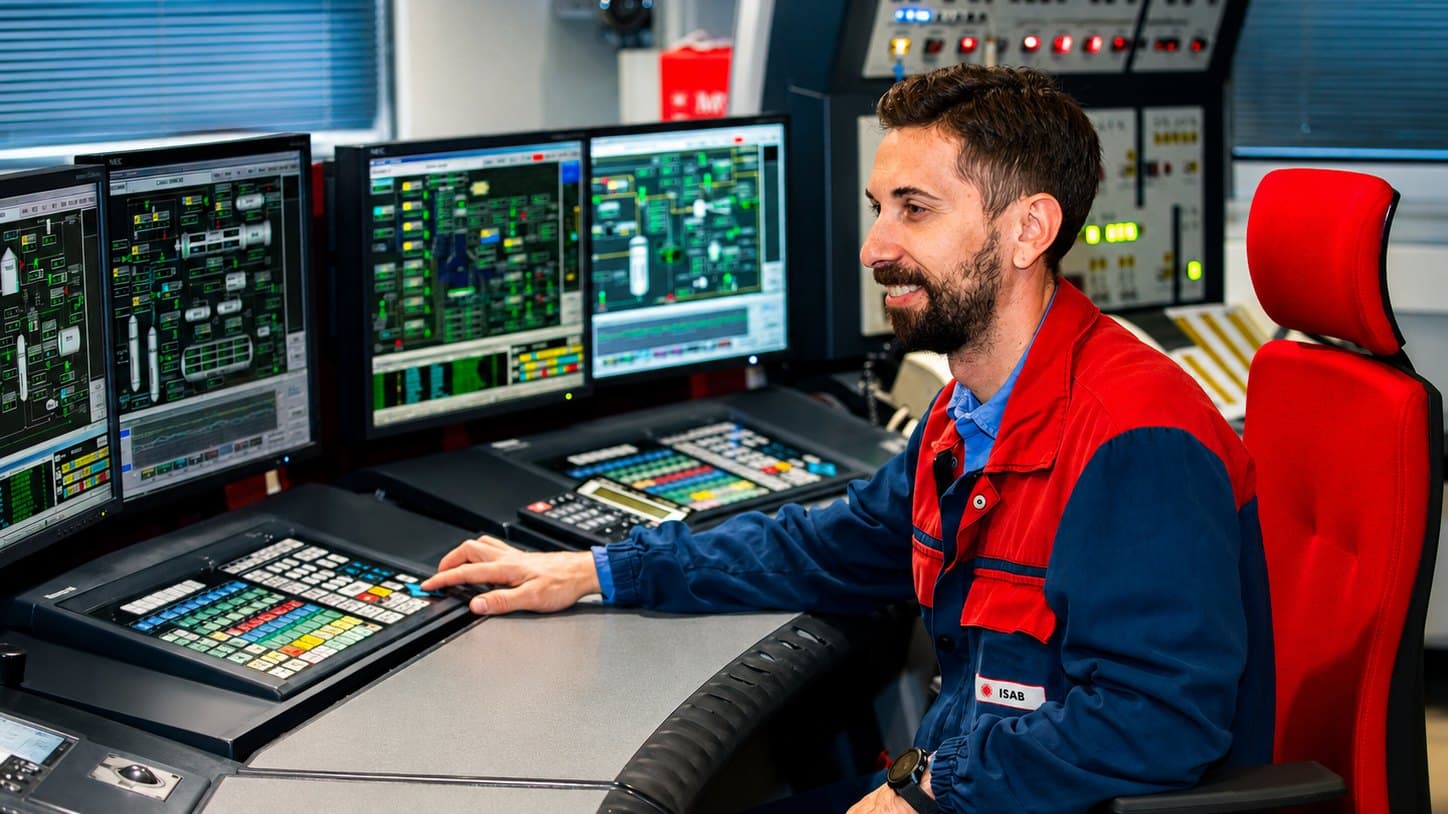
On 23 July the catalytic cracker at the North Plants runs its first cargo of certified vegetable oils alongside fossil feedstock, yielding bio-gasoline and aviation fuel. The pre-treatment section comes on stream the same year.
2027
The revamp of the hydrodesulphurisation units will open HVO production in co-processing: renewable diesel blended into the refinery’s diesel. The first feedstock from the Sicilian farming chain will arrive, and design work on the power plant conversion will begin.
2028
Construction will start on the dedicated plants, built to produce neat HVO and SAF rather than blends. The power plant conversion will enter its execution phase, and in Sicily the vegetable-oil pressing lines will grow year by year towards the hundred and more planned by 2030.
2030
The dedicated plants will come on stream and the power plant conversion will be complete. Installed capacity will reach 500,000 tonnes a year; output will rise to full rate, expected in 2034, with HVO as the main component alongside aviation fuel.
Renewable molecules in place of fossil ones, inside engines and infrastructure that already exist. The transition happens in the material, and everything else keeps working.

The plants currently run ISCC EU certified vegetable oils, the standard that attests to sustainability and traceability from origin to processing. In parallel the Group is building an Italian farming chain that will bring part of the supply to within a few kilometres of the site.
Rapeseed, camelina, safflower and Ethiopian mustard grow on marginal and abandoned land, with modest water requirements. Grown between one cereal crop and the next, they improve soil fertility and reduce erosion, without taking land from food production. It is the principle that has always governed the site: giving value to what would otherwise go unused. This time the material is the land itself.
The four crops
The transition of liquid fuels calls for ports, storage and process expertise. Few places in Europe bring them all together. ISAB is one of them.